Turnkey Flour Milling Plant: From Design to Installation
A turnkey flour milling plant is a complete project, not a simple machine order. The buyer does not only need equipment; the buyer needs a production system that can receive raw grain, clean it, mill it, sift it, pack final products and keep running after installation.
For maize, wheat and multi-grain projects, the value of a turnkey solution comes from coordination. Process design, equipment selection, plant layout, electrical control, dust collection, installation and commissioning must work together. If one section falls behind, the whole plant can lose efficiency.
This guide explains how a turnkey flour milling plant should move from early design to final installation, and what overseas buyers should confirm at each stage.
Turnkey Means a Complete Project Responsibility
Different suppliers use the word turnkey in different ways. Some use it to describe a complete plant. Others use it only as a sales word. Before choosing a supplier, buyers should ask what turnkey really means in the offer.
For a practical flour milling project, turnkey support should help the buyer solve the main project questions before shipment and during installation.
| Turnkey Area | What the Supplier Should Help With |
|---|---|
| Process design | Design the route from raw grain cleaning to final product packing. |
| Equipment configuration | Select main machines and supporting systems according to capacity and product. |
| Plant layout | Arrange equipment according to workshop size, material flow and maintenance space. |
| Electrical control | Plan motors, control cabinets, wiring scope and operation safety. |
| Installation support | Provide drawings, guidance, commissioning support and operator training. |
If a supplier only sells machines and leaves all project coordination to the buyer, the service does not fully match a turnkey project.
Start the Design From Raw Grain and Final Products
The first design step should not be machine selection. A good project starts with raw grain and final product requirements. Wheat flour, maize meal, corn grits and multi-grain flour need different process routes.
A supplier should understand the buyer's market before fixing the configuration. Otherwise, the plant may run, but the product may not match local demand.
- Raw grain type and average quality
- Target products such as wheat flour, maize flour, maize meal or corn grits
- Expected daily capacity and operating hours
- Flour fineness or product grade requirement
- Packing size and local sales channel
- By-product use, such as bran or germ sales
- Future expansion plan
These details shape the cleaning system, milling system, sifting arrangement, packing plan and power requirement.
Build the Process Flow Before Choosing Machines
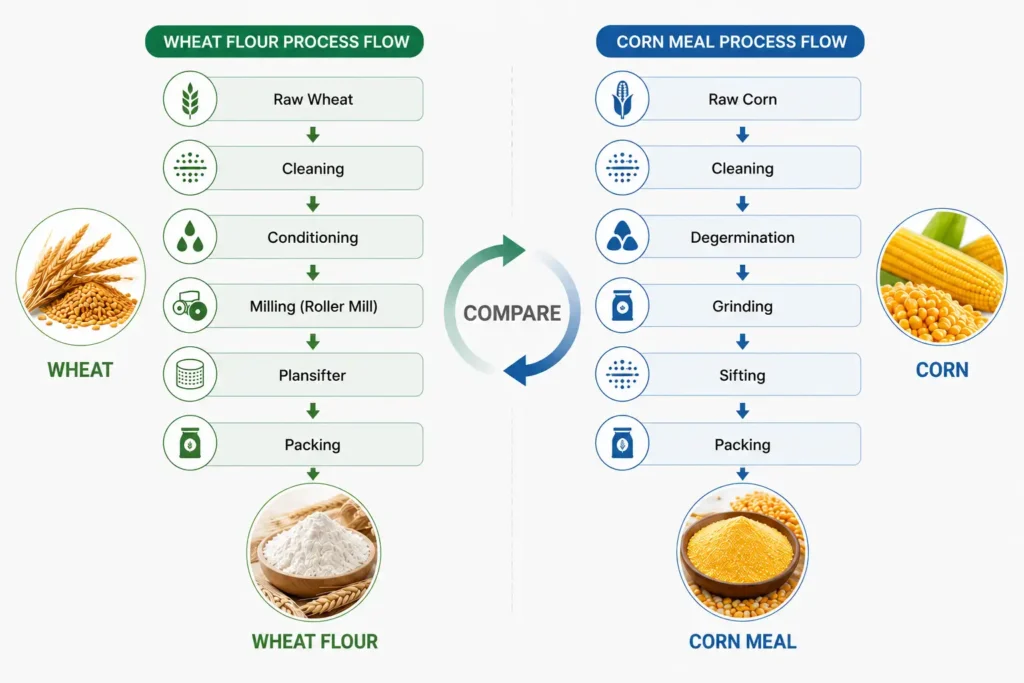
A process flow chart gives the project its logic. It shows how raw grain moves through each section and how final products come out. Without this flow, a machine list can look complete but still fail to form a stable production line.
For wheat milling, the flow usually focuses on cleaning, dampening, conditioning, roller milling and plansifter separation. For maize milling, the process often adds peeling or degermination before milling and grading.
| Raw Material | Key Process Focus |
|---|---|
| Wheat | Cleaning, conditioning, roller milling, plansifter separation and bran handling. |
| Maize | Cleaning, peeling or degermination, milling, grading and by-product separation. |
| Multi-grain | Flexible cleaning, suitable milling route and separate product handling. |
A serious turnkey supplier should explain the process in a way the buyer can understand, not hide everything behind technical drawings.

Turn the Process Into a Real Plant Layout
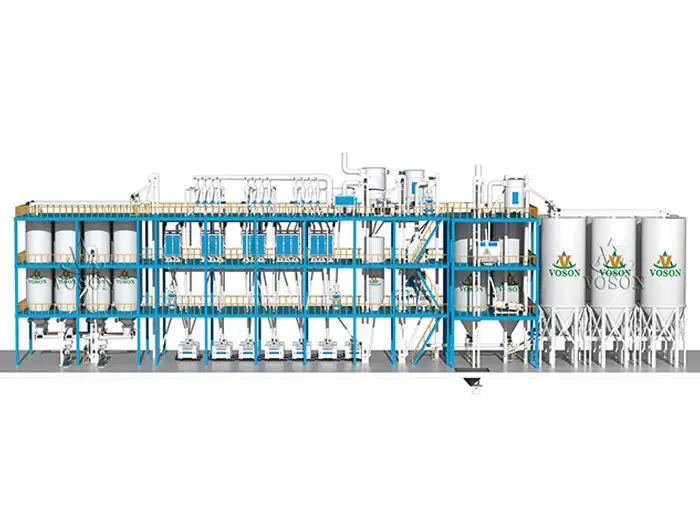
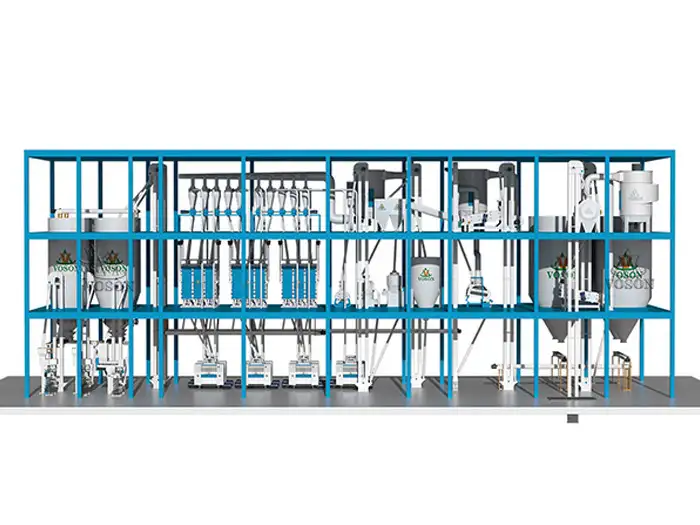
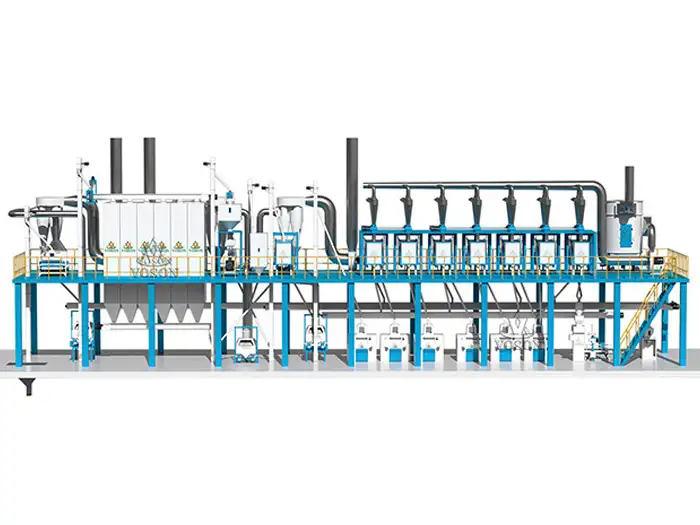
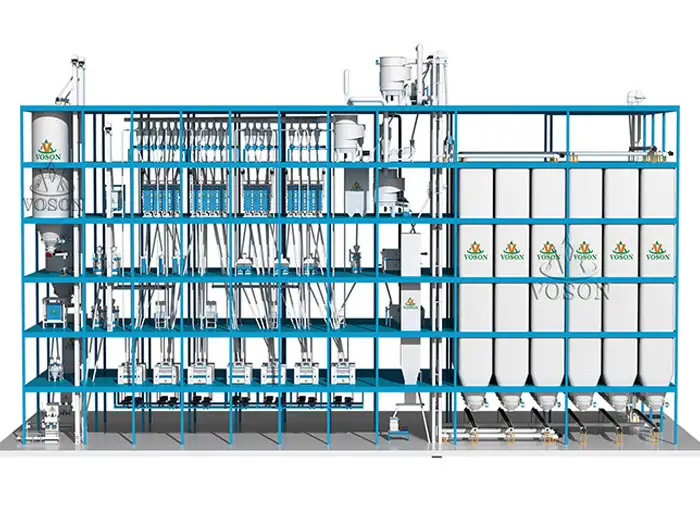
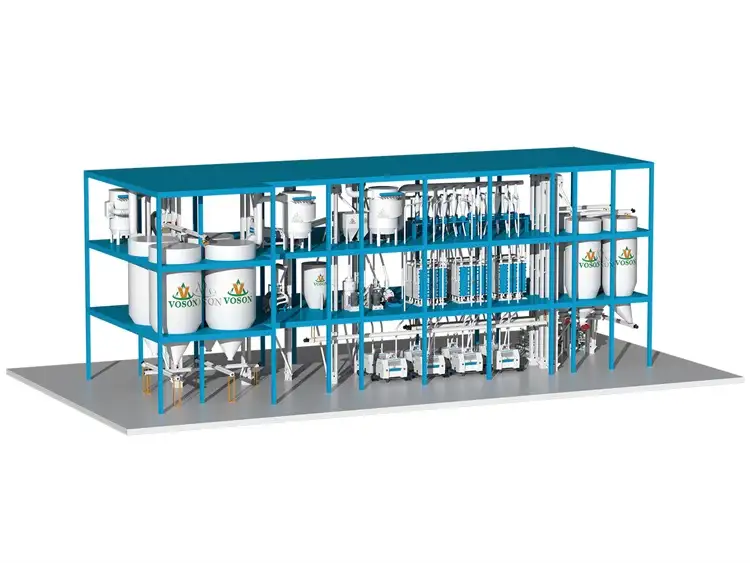
After the process becomes clear, the supplier should turn it into a plant layout. Layout decides whether the equipment can fit the building and whether workers can operate the plant safely every day.
A layout should not only place machines in a room. It should consider raw grain receiving, material flow, packing, warehouse, maintenance and future expansion.
- Workshop length, width and clear height
- Column position and door direction
- Raw grain feeding and storage route
- Cleaning, milling and sifting section arrangement
- Packing area and finished product storage
- Electrical control cabinet position
- Maintenance access around key machines
- Reserved space for future capacity expansion
For overseas projects, buyers should send workshop drawings, photos or site dimensions as early as possible. Early layout review can prevent expensive changes after shipment.
Confirm What Equipment and Supporting Parts Are Included
Once the layout and process are clear, buyers should check the equipment scope. A turnkey plant needs more than main machines. Supporting equipment connects the whole system.
This is where many hidden costs appear. If elevators, pipes, platforms, control cabinets or dust collection parts do not appear in the offer, the buyer may need to solve them locally.
- Cleaning machines and magnetic separators
- Conditioning, peeling or degermination equipment
- Milling and sifting machines
- Elevators, conveyors and transfer equipment
- Pipes, air ducts and connecting parts
- Platforms, ladders and supporting frames
- Dust collection system
- Electrical control cabinets and motors
- Packing and weighing equipment
- Spare parts and wearing parts
A complete turnkey offer should mark the included, optional and excluded items clearly.
Plan Electrical Control and Dust Collection Early
Electrical control and dust collection affect safety, operation stability and installation work. Buyers should not leave them as afterthoughts.
A small plant may use a simpler control system, while an industrial plant may need centralized control or PLC. The supplier should recommend a practical level according to capacity, budget and operator skill.
| System | Questions to Confirm |
|---|---|
| Electrical control | Are control cabinets, motors, cables and electrical drawings included? |
| PLC or automation | Does the plant need centralized control, alarms or touch screen operation? |
| Dust collection | Where are the dust points and how will air ducts be arranged? |
| Safety | How will operators control motors, emergency stops and overload protection? |
When these systems are clear before production, installation becomes easier and the plant starts more smoothly.
Prepare Installation Before the Equipment Arrives
Turnkey service should make installation easier, but the buyer still needs preparation. The supplier and buyer should divide responsibilities before shipment.
A strong supplier will provide drawings and guidance. The buyer usually prepares the workshop, local workers, tools, lifting equipment and local electrical work if needed.
- Foundation or floor preparation
- Installation drawings and layout drawings
- Local workers and mechanical tools
- Lifting equipment for large machines
- Electrical workers and local wiring materials
- Temporary storage space for machines and small parts
- Communication plan for online or on-site engineer support
If the buyer waits until the containers arrive to discuss installation, the project can lose weeks before any machine starts running.
Commissioning Turns Equipment Into Production
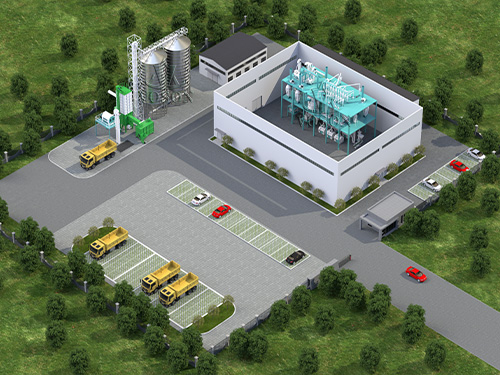
Installation puts machines in place. Commissioning makes the plant work as a production system. This stage checks machine rotation, feeding, material flow, product quality, packing and operator habits.
During commissioning, the supplier should help the buyer adjust the process and train operators. This matters because a flour mill plant needs stable operation, not only successful startup.
- Empty running test for each machine
- Motor direction and electrical safety check
- Material feeding test
- Milling and sifting adjustment
- Flour, meal or grits quality check
- Packing machine test
- Operator training and maintenance explanation
A good commissioning plan reduces waste during the first production period and helps the plant reach stable output faster.
What Buyers Should Confirm Before Signing the Contract
Before signing a turnkey flour milling plant contract, buyers should make sure the project scope is written clearly. Verbal promises are not enough for a complete plant project.
- Process flow chart has been provided or explained.
- Plant layout matches the workshop or site condition.
- Equipment list includes main machines and supporting parts.
- Electrical control scope is clear.
- Dust collection system is included or explained.
- Installation guidance and commissioning support are confirmed.
- Spare parts and wearing parts are listed.
- Packing, shipment and document responsibilities are clear.
- Warranty and after-sales service are written in the offer.
This checklist helps buyers avoid treating a turnkey project like a simple equipment purchase.
Conclusion
A turnkey flour milling plant should connect design, equipment, layout, electrical control, installation and commissioning into one clear project plan. The buyer should understand not only what machines will be supplied, but how the whole plant will run after installation.
For overseas projects, early communication matters. Raw grain, final products, capacity, workshop size, power, packing and installation conditions should all enter the discussion before the supplier starts production.
Voson provides turnkey flour milling plant solutions for maize, wheat and multi-grain processing projects. You can view our flour milling equipment, flour mill plant projects, maize flour mill plant and wheat flour mill plant for project reference. You can also contact Voson to discuss the design, installation and project support scope.
FAQ
What does turnkey flour milling plant mean?
It means a complete project solution that covers process design, equipment supply, plant layout, installation guidance, commissioning and operation support.
What should buyers prepare before asking for a turnkey quotation?
Buyers should prepare raw grain type, final product, target capacity, workshop size, power condition, packing requirement and destination country.
Does turnkey service always include installation?
Not always. Buyers should confirm whether installation drawings, engineer guidance, commissioning and operator training are included or charged separately.
Why is plant layout important?
Layout affects installation, material flow, maintenance access, packing efficiency and future expansion.